How Formalwear Alterations Improve the Final Look
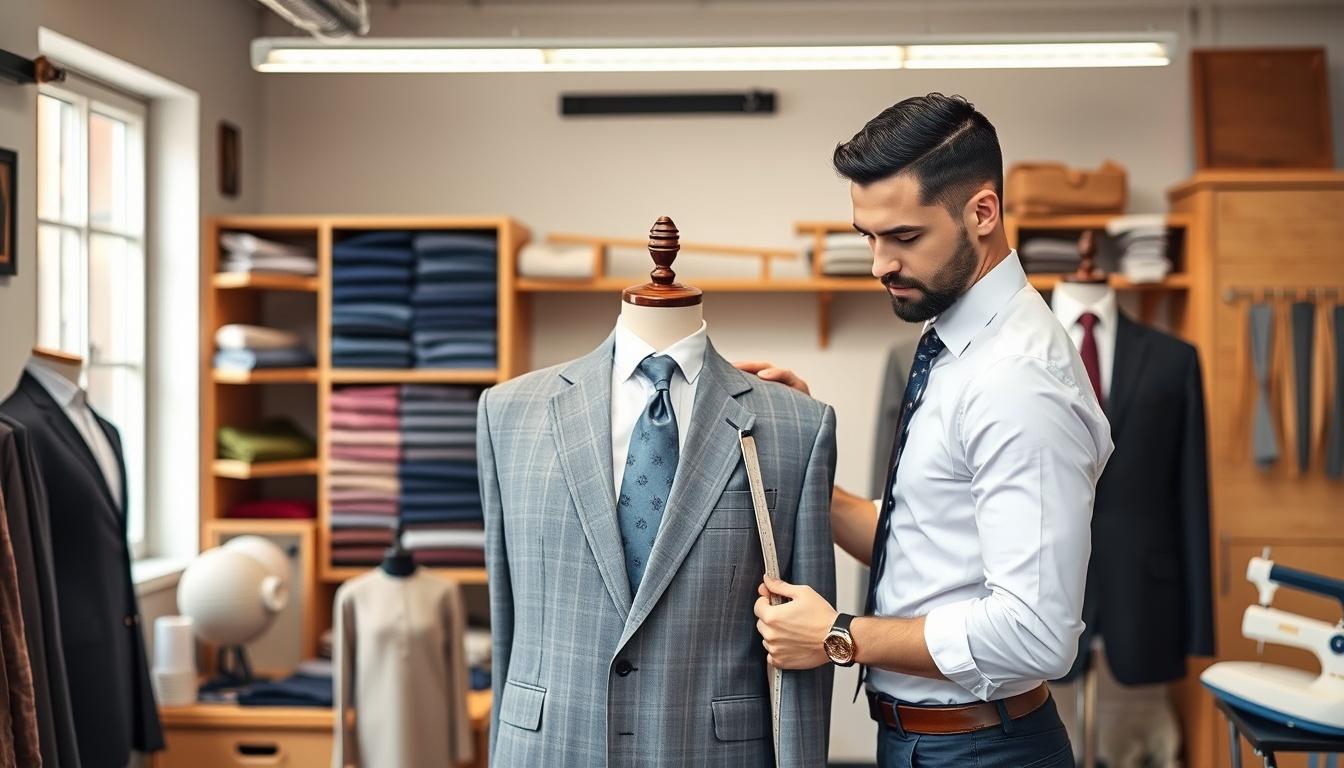
Formalwear alterations begin with a careful review of the garment construction, fabric, and existing seams. That assessment helps determine what can be adjusted safely and what should stay unchanged to preserve the original shape.
A suit jacket may need sleeve work, waist shaping, or small balance adjustments, while trousers often require length, taper, or seat refinements. For shirts, blouses, coats, and blazers, the fit is checked against movement, posture, and how the garment sits when worn.
Balanced proportions matter more than drastic changes.
For suits, jackets, trousers, and other formal garments, the goal is a cleaner line and a comfortable fit that suits the occasion.
Fit decisions are confirmed after inspection and the first fitting, with a written alteration scope before work begins. This keeps the process clear and helps set realistic expectations about the final result and turnaround time.
When available, matching thread and trim are selected to stay close to the original finish, and collection includes a final fit check with care and pressing notes. The result is formalwear that looks polished without losing its intended structure.